
Start / Neuigkeiten /
Spring: Plants prepare for photosynthesis
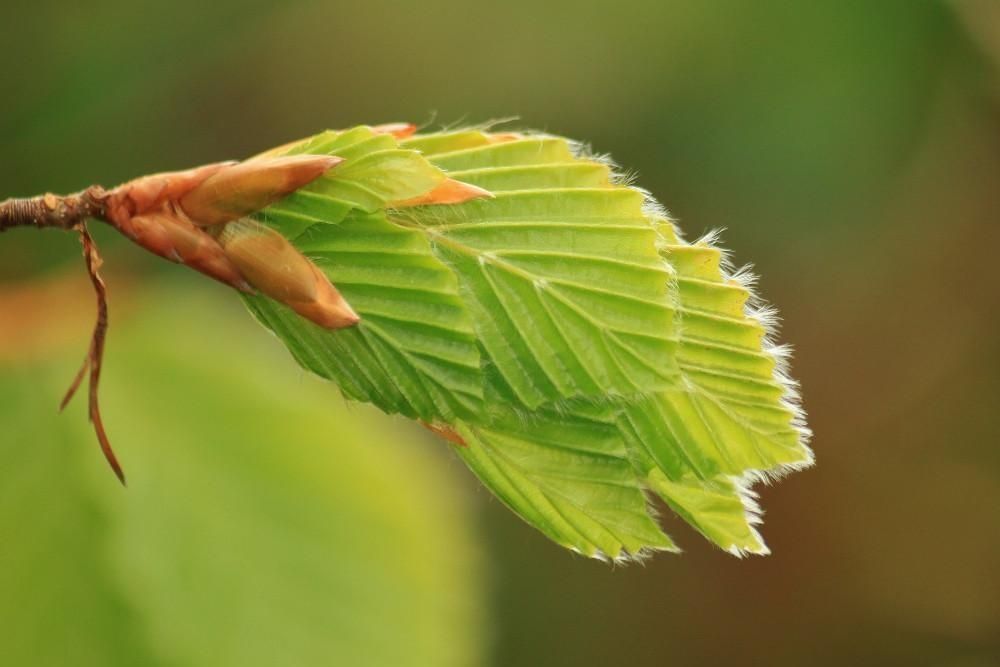
As temperatures rise, trees become active again. The plants prepare for the warm season by sprouting and forming flowers.
Trees know when it's spring
For plants, spring means one thing above all else: sprouting! But how do they know when hibernation is over? Trees have a certain need for cold, which, for example, is between 800 and 1,600 hours for fruit trees, depending on the species (which, by the way, is one reason why native trees cannot survive in the home). This "internal clock" only counts cold hours between 0° and 7° C, higher or lower temperatures are irrelevant. As soon as the required number of cold hours is reached and the temperatures rise to over 7 °C, they sprout.
Every tree has its time
The trees need energy to shoot. To do this, they convert the starch stored in the previous year into transportable glucose. The different concentrations of the sugar solution create a negative pressure in the transport system of the wood (the so-called xylem), which leads to water absorption via the roots. In this way, the sap flow of the tree is activated.
The first of the native trees to open are the leaf buds of the birch. As a pioneer tree, it prefers open areas, i.e. it feels particularly at home in cool and light biotopes. Beech is a shady tree that requires less light and is more in need of warmth than birch. It therefore sprouts later in spring. Oaks take even more time to grow because they have even higher heat requirements than beech. They could therefore also benefit from climate change and increase their competitiveness compared to other tree species.
Spring is the time of bloom
Spring is also the time of bloom. Most forest trees are wind-pollinated and are therefore rather inconspicuous. The male flowers of beech, for example, are long stemmed and hang down head-shaped, female flowers are single or in pairs upright at the end of the shoot. The wind transports the pollen from the male flowers to the female flowers. Fruit trees such as the wild cherry, on the other hand, depend on animal help: Their white, fragrant flowers attract insects to pollinate them.
By the way, trees can have female and/or male flowers. The common beech, for example, is a monoecious plant, i.e. there are male and female flowers on the tree. In hermaphroditic species such as the chestnut, one flower contains male and female reproductive organs (which is the case with most plants). Individuals of dioecious plants (e.g. willow) have either only male or only female flowers.