
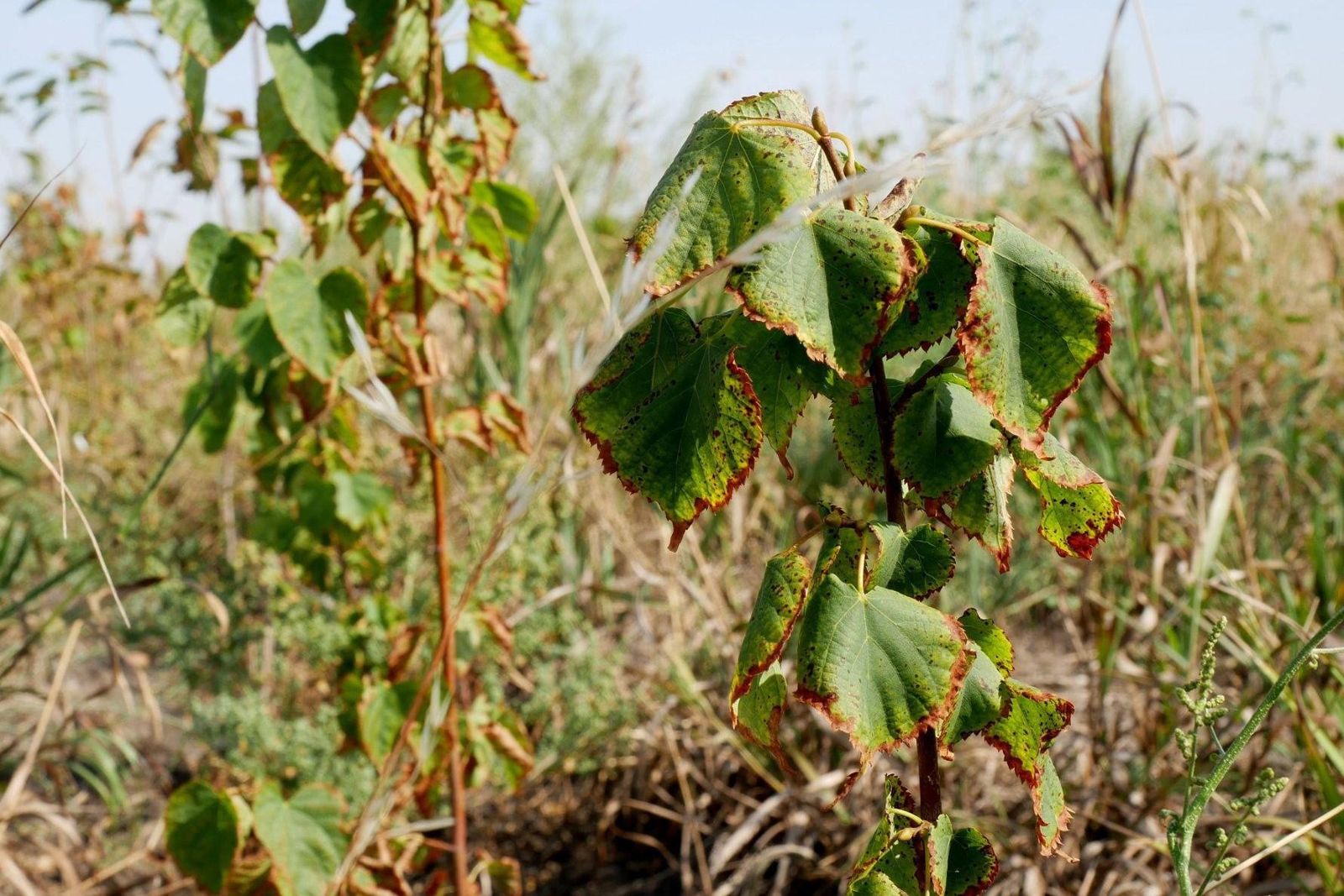
Since 2016, the Intergovernmental Panel on Climate Change (IPCC) has been working on a special report on the consequences of global warming by 1.5° Celsius compared with pre-industrial levels. Now the Intergovernmental Panel on Climate Change has published this report. It shows that even half a degree Celsius can cause significant differences in the effects of climate change.
In addition to the consequences of global warming by 1.5° Celsius, the report also lists the associated greenhouse gas emission paths, measures to combat the dangers associated with climate change and sustainable development goals.
What changes does a global warming of 1.5° Celsius entail and what are the differences between an increase of 1.5° Celsius and an increase of 2° Celsius?
Global temperatures have already risen by 1.0 °C compared to the period before industrialisation. If global warming continues to increase at current rates, rise to 1.5° Celsius is likely between 2030 and 2052. Threats to nature and human would be higher than today if this increase were to occur, but lower than in the case of global warming of 2° Celsius.
Average temperatures will be higher in most areas. Extreme weather events such as heat extremes, droughts, floods and heavy precipitation will occur more frequently. Global sea levels will continue to rise until 2100 and far beyond. According to climate projections, however, this increase would be about 0.1 metres less than at 2 °C.
Threats to both terrestrial and marine biodiversity and ecosystems, as well as species loss, will increase, but will also be significantly lower, compared to 2°C. There will be an increase in health risks, threats to food and water supplies, human security and economic growth.
The ice floes around the poles will completely defrost once a century. At 2°C, this would happen once a decade. An increase of 1.5 instead of 2°C would also prevent the thawing of approximately 1.5 to 2.5 million square kilometres of permafrost soil in the high tundra’s and boreal forests.
In addition, coral reefs may survive at least to a small extent despite ocean warming and acidification.
What would be necessary to realize the goals of the Intergovernmental Panel on Climate Change?
There are many ways to reduce the risks to natural and managed ecosystems. These include avoiding degradation, deforestation and managing biodiversity.
To achieve the goal of limiting global warming to 1.5°C, global anthropogenic net CO2 emissions would have to fall by about 45% by 2030 compared with 2010 levels. By around 2050, this figure should be zero. This means that from this point onwards, any kind of emissions that are released further into the atmosphere must be removed from the air using CDR (carbon dioxide removal). Possibilities for this would include, for example, afforestation, reforestation and renaturation as well as various geoengineering technologies (controversial).
By 2050, 70 to 85 % of global electricity consumption would have to be covered by renewable energies. The use of coal for electricity must be reduced as quickly as possible and completely stopped by 2050.
If nothing is changed in the current situation, the value of 1.5 °C would already be reached between 2030 and 2052. Towards the end of this century, a temperature increase between 2.6 and 4 °C would be expected.
Sources:
https://www.de-ipcc.de/media/content/Hauptaussagen_IPCC_SR15.pdf