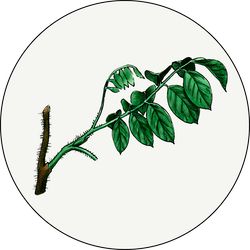
Leaf
The leaves are alternate and pinnate. A leaf consists of up to 19 round or egg-shaped leaflets with a serrated edge. Each leaflet is about 2.5 to 7.5 cm long. The leaves are dark green and have a glossy surface.
 I Plant A Tree · Wald 1.1 gGmbH
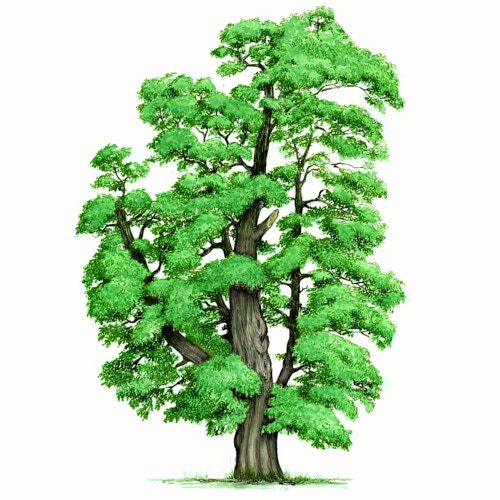
The leaves are alternate and pinnate. A leaf consists of up to 19 round or egg-shaped leaflets with a serrated edge. Each leaflet is about 2.5 to 7.5 cm long. The leaves are dark green and have a glossy surface.
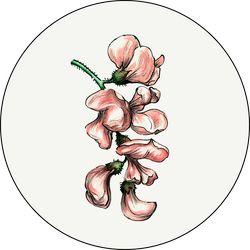
The fruits of the robinia are flat, elongated pods that can grow to about 5 to 10 cm long. They are green at first and turn brown over time.
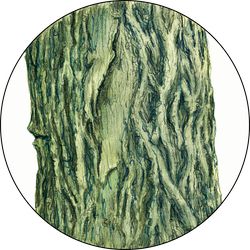
The bark of the robinia is dark grey to black-brown and heavily grooved. When young, it can have a lighter, grey-brown colour, but becomes darker with age. Then the bark often also forms its characteristic, plate-like structure.